
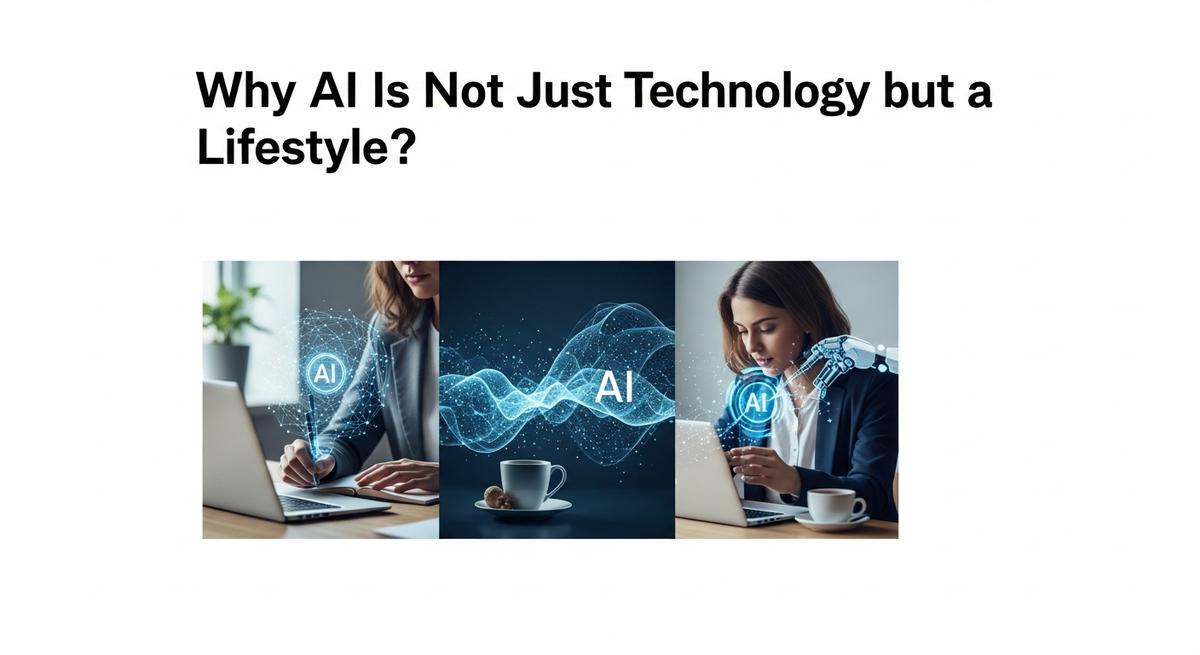
Why AI Is Not Just Technology but a Lifestyle?
- January 03, 2026
- ~ 1 min read
- 243 views
- Everyday AI , Lifestyle & AI
Introduction/Overview
Imagine a world where your morning coffee brews itself based on your sleep data, your commute anticipates traffic before you do, and your fitness tracker not only counts steps but predicts burnout before it hits. This isn't science fiction—it's the dawn of AI lifestyle integration, where artificial intelligence evolves from a mere tool into the invisible architect of our daily decisions, relationships, and routines[1][2][4].
AI: From Technology to Lifestyle
Traditionally, technology adoption meant picking up a gadget or app to solve a specific problem—like using a calculator for math or a map for navigation. But artificial intelligence adoption marks a profound technology lifestyle shift. AI doesn't just assist; it anticipates, personalizes, and adapts, embedding itself into the fabric of everyday life. Voice assistants like Siri, Alexa, and Google Assistant manage reminders, control smart homes, and even optimize energy use by learning your habits[1][2][5]. Smart refrigerators suggest recipes from your inventory, robotic vacuums map your home for efficient cleaning, and wearable devices provide real-time health insights, turning data into actionable lifestyle adjustments[1][4]. This seamless AI daily life impact transforms passive tools into proactive partners, reshaping how we live, work, and connect.
Current Landscape: Adoption, Excitement, and Concerns
AI's rise is undeniable, yet polarized. Recent surveys reveal a split public sentiment: while approximately 50% of Americans express concerns over AI's expanding role—fearing job displacement, privacy erosion, and ethical dilemmas—10% are thrilled by its potential to enhance efficiency and personalization. This divide underscores AI's dual nature: a force driving innovation in personalized shopping (boosting conversion rates by up to 30% via recommendation engines[1]), healthcare (predictive analytics for early disease detection[3]), and smart homes (adaptive thermostats and security[2][3]), while sparking debates on societal readiness. As we navigate 2026, these statistics highlight the urgency of viewing AI not as an optional tech upgrade, but as a core element of modern existence[4].
Why This Shift Matters—and What's Ahead
Understanding AI as a lifestyle rather than just technology is critical for tech-savvy professionals, business leaders, and early adopters. For individuals, it means empowered routines: AI-driven fitness apps tailor workouts to your progress, while predictive health monitoring flags issues early, fostering proactive well-being[1][4]. Organizations gain from streamlined operations, like AI-optimized supply chains reducing waste and enhancing decision-making[4]. Yet, this integration demands awareness of challenges, from data privacy to equitable access.
AI is no longer what we use—it's how we live, promising a more efficient, intuitive world if harnessed responsibly.
This article—section 1 of 7—will unpack the AI transformation across daily routines, professional landscapes, personal relationships, ethical frontiers, future visions, and strategies for thriving in this new era. Get ready to see AI not as a trend, but as your next lifestyle evolution.
- Explore how AI redefines mornings, workdays, and evenings.
- Discover opportunities for business leaders to lead the charge.
- Preview tools to balance AI's benefits with mindful integration.
Main Content
From Automation to Anticipation: The Evolution of AI Assistants
AI is transcending its role as a mere tool, becoming an integral part of daily life through AI-powered automation and intelligent decision-making. Once limited to reactive responses, modern AI assistants now automate routine tasks like data entry, bookkeeping, and report generation, freeing professionals to focus on high-value activities. For instance, Walmart's AI system anticipates inventory needs, slashing costs by 15% and boosting supply chain efficiency by 20%[1]. Similarly, Amazon optimizes warehouse operations proactively, achieving 25% higher productivity[1]. This AI integration extends to personal workflows, where assistants like Motion automatically prioritize tasks, create optimized schedules, and suggest delegations based on deadlines and habits[2].
Proactive AI assistants go further by anticipating needs with context awareness and personalized suggestions. Tools like Clara analyze communication patterns using large language models to draft emails or propose meeting times, adding a layer of human-like intuition[2]. In project management, Slack AI summarizes tasks, tracks progress, and sends automated reminders, such as alerting teams to overdue items[6]. This shift from reactive bots to proactive partners reduces cognitive load, enabling human-AI collaboration that drives efficiency and innovation[3].
Psychological Shifts and Generational Divides in AI Reliance
As people delegate more to AI, profound psychological and behavioral changes emerge. Relying on AI for guidance in areas like financial planning—predicting cash flow and flagging fraud—or even relationship management through empathetic reminders can erode human agency if not managed carefully. Research highlights how younger adults (58%) express greater concern over AI's impact on meaningful relationships compared to older adults (40%), revealing stark generational differences in AI adoption[user guidance]. Millennials and Gen Z embrace lifestyle automation seamlessly, viewing AI as a co-pilot for calendars and decisions, while older generations prioritize preserving autonomy.
- Enhanced productivity: AI agents optimize calendars, predict conflicts, and adjust schedules autonomously[5].
- Behavioral adaptation: Users develop habits around AI nudges, like accepting suggested breaks during overload[2].
- Risk of over-reliance: Continuous delegation may diminish critical thinking, underscoring the need for mindful integration.
"Proactive AI isn't just helping you keep up—it's helping you stay ahead by anticipating needs and handling tasks autonomously."[2]
Balancing Amplification with Autonomy for True Lifestyle Integration
The key to transformative AI productivity lies in striking a balance: using AI to amplify human capabilities rather than supplant judgment. True AI agents exhibit autonomy, adaptability, and learning, pursuing goals like resolving invoice discrepancies or optimizing team resources without prompts[5][8]. For business leaders, this means fostering human-AI collaboration where AI handles routine AI-powered automation, allowing focus on creativity and strategy.
Consider actionable steps for integration:
- Start with micro-delegations, like auto-summarizing meetings or flagging deadlines[4].
- Monitor psychological impacts by setting boundaries on decision-making delegation.
- Leverage analytics from tools like Saner.AI for personalized insights, ensuring AI enhances rather than replaces growth[7].
Ultimately, AI as a lifestyle choice empowers tech-savvy professionals to achieve more with less effort, provided they maintain oversight. This harmonious blend of technology and humanity redefines success in an AI-driven world.
Advanced Content
Generalist AI Systems: Beyond Narrow Tools for Lifestyle Integration
Generalist AI represents a paradigm shift from narrow, task-specific tools to versatile systems capable of tackling diverse problems across domains, making them indispensable for seamless lifestyle integration. Unlike traditional AI confined to single functions—like image recognition or language translation—generalist AI combines broad knowledge in machine learning, natural language processing, and computer vision to address complex, real-world challenges[3][5]. For tech-savvy professionals and business leaders, this means AI evolves from a utility to a core lifestyle enabler, simulating scenarios, forecasting trends, and automating decisions in a VUCA (Volatility, Uncertainty, Complexity, Ambiguity) world[1].
Specialized Generalist Intelligence (SGI), for instance, excels in at least one domain while retaining general capabilities, progressing through stages from emerging proficiency to expert-level mastery of 90% of tasks via continuous task-streaming learning[2]. This fusion enables rapid adaptation, such as optimizing telecom networks or translating business objectives into technical specs, far surpassing human limitations in scalability and zero-shot problem-solving[1][4]. Integrating generalist AI into daily life empowers individuals to orchestrate solutions across personal finance, health monitoring, and career planning without switching tools.
Architecture of AI Agents: Orchestration, Training, Auditing, and Retirement
Managing AI agents demands sophisticated AI orchestration, encompassing training for contextual understanding, auditing for bias and accuracy, and systematic retirement of obsolete models. These autonomous entities operate in lifecycle cycles: initial training on high-quality datasets hones their ability to generalize across tasks, while ongoing audits employ techniques like Reinforcement Learning with Human Feedback (RLHF) to mitigate uncertainties and ensure alignment with human values[2][4].
For organizations, AI orchestration involves system mapping—identifying interactions between tools, data flows, and workflows—to prevent architectural drift[3]. Retirement cycles are critical as new capabilities emerge; outdated agents are phased out to maintain efficiency, much like updating software in a personal ecosystem. Business leaders must implement modular components, such as fine-tuned APIs and retrieval-augmented generation, to handle cross-domain dependencies seamlessly[3].
- Training: Continuous learning for context-aware performance across infinite tasks.
- Auditing: Bias detection and decision validation to build trust.
- Retirement: Graceful decommissioning to integrate cutting-edge models.
Data Quality, Infrastructure, and Cybersecurity Challenges
Seamless AI integration hinges on robust data quality and AI infrastructure, where poor inputs lead to flawed outputs, constraining AI's lifestyle role. High-quality, diverse datasets are essential for training reliable generalist AI, enabling accurate trend forecasting and scenario simulation[1]. Infrastructure challenges include scaling for real-time processing amid incomplete data and ambiguous objectives[3].
Cybersecurity AI emerges as paramount, protecting against identity-based attacks that target AI-centralized personal and intellectual property. As AI agents handle sensitive life aspects—from financial oversight to health data—advanced defenses like anomaly detection and encrypted orchestration are vital to safeguard user identity in an interconnected ecosystem[3].
Human-AI Relationship: Oversight and Emerging Skills
The future demands AI oversight models where humans shift from execution to strategic direction, fostering human-AI collaboration models. Professionals now require skills in prompt structuring, model evaluation, and cross-system integration, positioning AI generalists as "translators" who bridge technical and business realms[3][5]. McKinsey reports firms with strong AI translators achieve over twice the ROI, underscoring the need for system-level thinking[5].
"The future of AI is not just in algorithms but in how well they’re applied across business workflows. AI generalists make this application seamless."[5]
Actionable steps include upskilling in no-code platforms and AutoML for rapid prototyping, preparing individuals and organizations for an era of oversight over routine tasks. This symbiosis redefines lifestyles, with humans focusing on innovation while AI agents execute flawlessly.
Practical Content
Transforming AI from a mere technology into a seamless lifestyle choice requires a deliberate AI adoption strategy. This section provides step-by-step guidance to intentionally integrate AI into your daily routines, amplifying productivity, decision-making, learning, and even relationship management while preserving human agency.
1. Assess Your Current AI Readiness and Identify High-Impact Areas
Begin with a self-assessment framework to pinpoint where AI can deliver the most value in your lifestyle. Start by evaluating your current tech stack, data habits, and pain points across key areas like work, health, learning, and personal relationships[1][4].
- Audit your routines: Track a typical week, noting time spent on repetitive tasks (e.g., email sorting, meal planning) or complex decisions (e.g., investment choices, fitness goals).
- Score readiness: Use a simple 1-10 scale for data availability, tech comfort, and goals clarity. Low scores in productivity? Prioritize AI for task automation[2].
- Map high-impact zones: Target areas like decision-making (e.g., AI for market trend analysis) or learning (e.g., personalized study agents). Create a prioritized list aligned with your values, such as work-life balance or ethical growth[4].
This AI implementation foundation ensures you're not chasing trends but amplifying what matters most.
2. Select and Integrate AI Tools Aligned with Your Goals
Choosing the right tools is crucial for sustainable AI tool selection. Focus on reliability, data privacy, and alignment with your values over flashy novelties[1][3].
- Research agentic AI for autonomous tasks like scheduling or content curation, ensuring they support multimodal inputs (text, voice, images)[1].
- Test 3-5 options: Prioritize those with strong governance, like purpose-built systems for professionals[5].
- Integrate gradually: Start with one tool per area, such as AI scribes for note-taking or personalization engines for shopping[3].
"Embed models in business-critical workflows to streamline day-to-day frustrations."—Adapted from AI strategy best practices[4]
3. Develop Protocols for AI Training, Monitoring, and Optimization
Establish clear AI training, AI monitoring, and auditing protocols to keep AI agents performing optimally[1][2].
- Train iteratively: Feed domain-specific data and refine prompts weekly, using techniques like RAG for accurate responses[1].
- Monitor performance: Set KPIs (e.g., time saved, error rate) and review dashboards bi-weekly. Automate alerts for drifts[4].
- Optimize continuously: Incorporate user feedback loops and A/B test configurations for better alignment[3].
These AI best practices turn passive tools into proactive partners.
4. Establish Boundaries and Human Oversight
Maintain control with robust human oversight mechanisms, especially for high-stakes decisions[2][5]. Define rules: AI suggests, you decide. Use "AI safe zones" for experimentation and zero-trust access to prevent over-reliance[4][5]. Regularly audit outputs for bias and ethics, ensuring AI amplifies—not replaces—your judgment.
5. Build Skills for AI Orchestration and Continuous Learning
Cultivate AI skills development through targeted upskilling. Master prompting (e.g., chain-of-thought techniques), critically interpret outputs, and orchestrate multi-agent workflows[3]. Dedicate 30 minutes daily to learning via AI tutors, role-specific training, and communities. Track progress with personal KPIs to evolve in this AI amplification strategy[1][4].
By following these steps, you'll craft an AI implementation that enhances your lifestyle holistically, fostering efficiency and empowerment.
Comparison/Analysis
Unlocking AI Benefits While Navigating Key Concerns
Integrating AI into daily life offers substantial AI benefits, such as dramatic productivity gains, enhanced decision-making, and amplified human capabilities. AI tools automate repetitive tasks like email prioritization and scheduling, freeing professionals for strategic thinking and creative pursuits[1][3][4]. For instance, predictive analytics in platforms like Tableau or Power BI enable smarter risk assessments and workload distribution, reducing decision fatigue and boosting efficiency[1][2]. Research shows generative AI elevates average work to exceptional levels by digitizing tacit knowledge and providing personalized insights, allowing novices to perform like experts[2][5]. These advantages position AI as a lifestyle enhancer for tech-savvy leaders seeking work-life balance through smart time tracking and wellness recommendations[1].
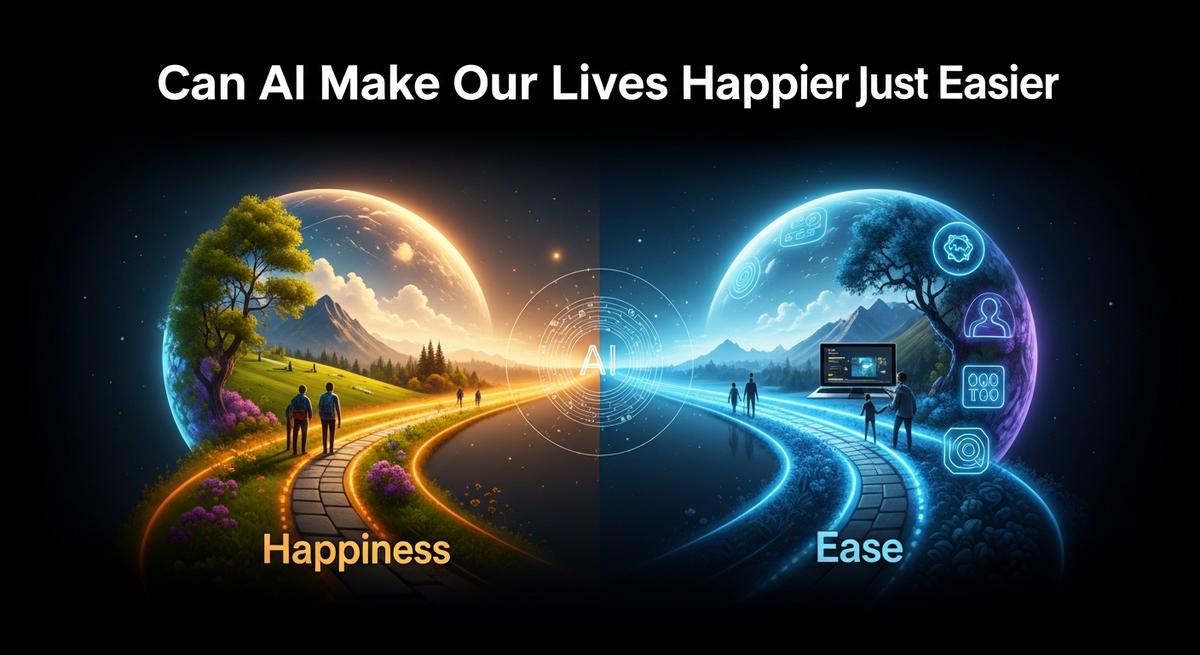
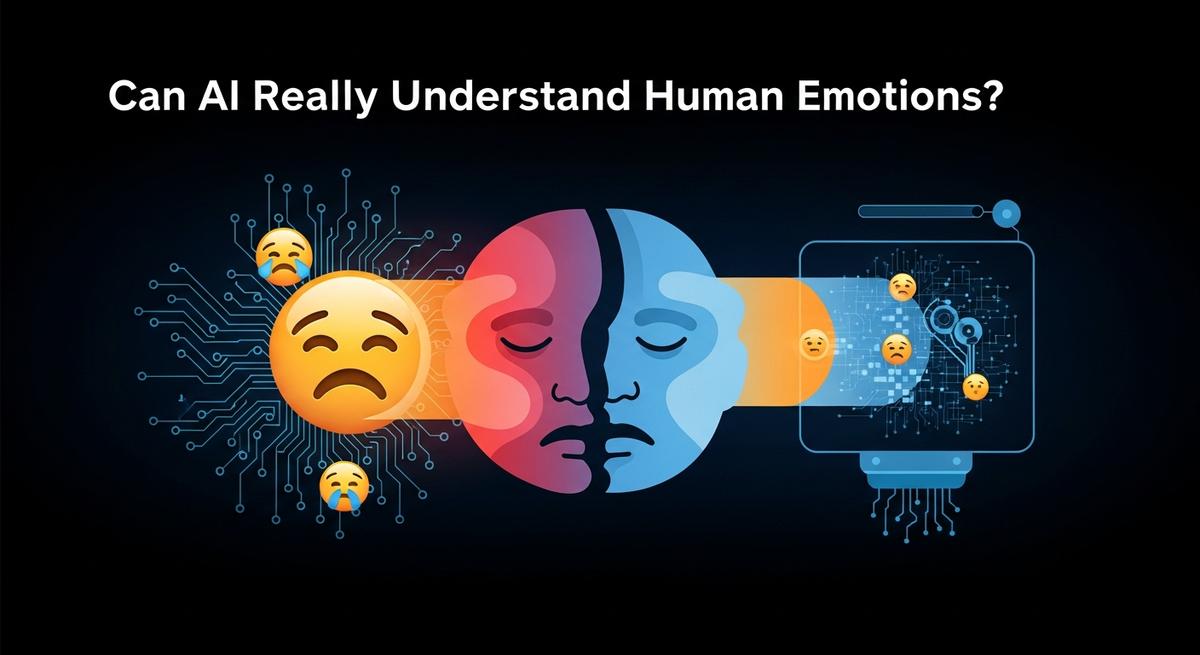
However, legitimate AI concerns persist, particularly around creativity and AI, relationships and AI, and human autonomy. Surveys indicate 53% of Americans believe AI will impair creative thinking, while 58% of young adults fear it erodes meaningful relationships. Generative AI boosts short-term productivity but can diminish intrinsic motivation and increase boredom in unassisted tasks, potentially stunting long-term skill development[7]. Over-reliance risks diluting human connection, as AI-mediated interactions prioritize efficiency over empathy.
Understanding AI Trade-offs and Adoption Approaches
AI trade-offs define the lifestyle shift: convenience versus privacy, and efficiency versus human connection. AI's 24/7 data processing supercharges productivity but demands careful data handling to safeguard privacy[3][8]. While tools like Reclaim.ai optimize calendars for deep work, they may inadvertently reduce serendipitous human interactions essential for innovation and relationships[1].
Comparative analysis of AI adoption approaches reveals distinct outcomes. Enthusiastic early adopters leverage AI for rapid gains—such as real-time insights and personalized learning via Coursera—accelerating career growth but risking burnout or over-dependence[1][3]. In contrast, cautious integrators selectively deploy AI, maintaining human oversight to preserve autonomy and creativity. Early adopters often report higher efficiency (e.g., streamlined workflows[4]), yet cautious users foster deeper relationships and sustained motivation by balancing tech with intentional human engagement[7].
Strategies for Balanced AI Integration
To capture AI benefits without succumbing to AI risks, adopt AI mitigation tactics for balanced AI integration.
- Maintain human oversight: Use AI for data analysis but retain final decisions, embedding explainability to align with ethical principles[2].
- Set boundaries in relationships: Designate AI-free zones for conversations, preserving empathy and depth amid mediated interactions.
- Preserve human capabilities: Schedule deliberate practice in creativity and problem-solving, countering motivation dips noted in gen AI studies[7].
- Hybrid workflows: Combine AI for routine tasks with human-led strategy, as seen in tools enhancing rather than replacing judgment[5][6].
These steps ensure AI amplifies flourishing. Thoughtful integration—neither wholesale rejection nor unchecked embrace—transforms AI from a tool into a harmonious lifestyle ally, empowering professionals to thrive amid evolving tech landscapes.
AI doesn't replace human potential; it elevates it when wielded with intention.
Conclusion and Key Takeaways
AI has evolved from a mere technological innovation into an essential AI lifestyle component, fundamentally reshaping how we work, connect, and live in the future of work. This transformation marks a profound shift, where AI integration moves beyond tools to become a seamless extension of daily routines, amplifying human potential while demanding mindful stewardship[1][2][3].
The Shift to Intentional AI Living
Throughout this article, we've explored how AI permeates everyday experiences—from smart home assistants optimizing energy use to personalized recommendations enhancing shopping and entertainment[1][4][5]. What began as isolated applications has blossomed into a holistic AI lifestyle, influencing everything from fitness tracking to predictive healthcare insights[3][5]. The key insight? Successful AI adoption hinges on human-centered AI principles: leveraging algorithms to boost efficiency and creativity, not supplant human judgment or genuine connections[2][7]. By prioritizing intentionality, we ensure AI serves our values, fostering deeper productivity in the future of work without eroding what makes us uniquely human.
"Artificial intelligence has become deeply woven into the fabric of society," powering virtual assistants, robotic devices, and tailored experiences that make complex tasks effortless[1].
Embracing Continuous Learning and Adaptation
In this dynamic landscape, AI strategy requires ongoing evolution. As AI advances, so must our ability to adapt—through continuous learning about emerging tools, ethical considerations, and personal impacts. This isn't a one-time AI integration; it's a lifelong commitment to critically evaluating how these technologies align with our goals, much like refining habits for sustained well-being[3][6]. Business leaders and early adopters who master this balance will thrive, turning potential disruptions into opportunities for innovation and fulfillment.
Your Next Steps: Launching Your AI Lifestyle Journey
Ready to make AI work for you? Start with these actionable steps to guide your AI adoption:
- Conduct a Personal AI Readiness Assessment: Audit your daily routines—identify one area like email management or fitness tracking where AI can add immediate value, drawing from real-world examples like smart wearables or recommendation engines[5][9].
- Select a High-Impact Integration Point: Choose a single domain, such as developing an AI strategy for the future of work, by experimenting with tools like virtual assistants for task automation[1][2].
- Build Your Personal AI Governance Framework: Define boundaries—e.g., always review AI outputs for accuracy and bias—to maintain human oversight and preserve authentic connections[4].
These steps empower you to integrate AI thoughtfully, ensuring it enhances rather than overwhelms your life.
Embrace the AI lifestyle today: adopt strategically, stay vigilant with human-centered AI, and commit to the human agency that defines us. Your journey starts now—what's your first AI-powered move? Share in the comments and step confidently into this transformative era.
Comments (0)
Please login or register to leave a comment.
No comments yet. Be the first to comment!